January 16, 2026
Transportation management has become more complex for businesses today. Companies handle multiple shipments, delivery timelines, carriers, and customer demands on a daily basis. Manual coordination often leads to delays, higher costs, and errors.
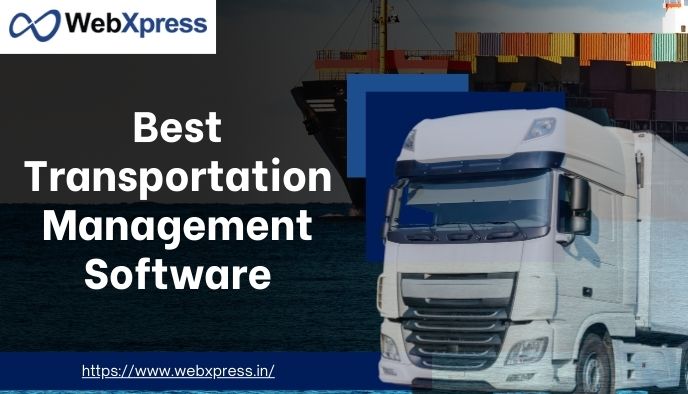
A Transportation Management System helps businesses manage these tasks from a single platform. The best TMS software supports shipment planning, dispatching, route management, and delivery tracking. It also helps reduce paperwork and improves overall control.
In 2026, many companies are searching for the Best Transportation Management Systems to handle growing logistics operations. Reliable dispatch management software plays a key role in improving delivery performance and meeting customer expectations. This blog covers the Top Transportation Management Systems for 2026, their main features, and pricing insights.
A Transportation Management System, often called TMS, is a software solution used to manage transportation operations. It helps businesses plan shipments, assign vehicles, and monitor deliveries from one system.
This system supports daily transportation tasks such as route planning, carrier selection, freight billing, and delivery tracking. It also reduces dependency on manual processes like phone calls and spreadsheets.
Many logistics and supply chain teams use TMS software to gain better visibility over shipments. Clear tracking updates help teams respond faster to delays and keep customers informed.
The best TMS software connects transportation planning with execution. It allows businesses to control costs, improve delivery timelines, and manage dispatch operations more efficiently.
The right Transportation Management System supports smooth planning and execution of daily transport operations. These features help businesses control costs, manage deliveries, and improve overall transportation performance.
This feature helps plan delivery routes based on distance, traffic, and delivery priority. It reduces fuel consumption and avoids unnecessary travel. Better route planning also supports on-time deliveries and lower transportation costs.
This feature provides live updates on shipment movement at every stage. Teams can track vehicle location, delivery status, and delays without manual follow-ups. Clear tracking helps maintain transparency with customers.
This feature supports quick and accurate assignment of vehicles and drivers. Dispatch planning becomes simpler with load details, vehicle availability, and delivery schedules in one place. It reduces last-minute confusion during operations.
This feature helps manage freight rates, invoices, and payment records. Accurate cost calculation reduces billing errors and supports better budget control. It also helps track fuel, toll, and additional transportation expenses.
This feature helps manage fleet management activities for in-house fleets and third-party carriers from a single system. Vehicle details, driver information, and carrier performance remain well-organized. Better control supports reliable transportation planning.
This feature provides clear reports on delivery time, route efficiency, and transportation costs. Performance data helps identify gaps and improve future planning. Reports also support better business decisions.
The transportation management systems below are commonly compared based on route planning depth, dispatch efficiency, shipment visibility, and system scalability.
|
Platform |
Core Capability |
Route Planning Strength |
Dispatch Automation |
Live Shipment Visibility |
Integration Support |
Ideal For |
|
WebXpress |
Enterprise-grade transportation and fleet management |
Advanced |
High |
Strong real-time tracking |
ERP, WMS, GPS, open APIs |
Large enterprises with complex transport networks |
|
Locus |
High-volume middle-mile and last-mile planning |
Advanced |
High |
Reliable live updates |
ERP, WMS, custom APIs |
Retail, ecommerce, and 3PL operations |
|
Descartes Systems Group |
Cross-border freight and compliance management |
Medium |
Medium |
Standard tracking |
Global EDI and customs systems |
Freight forwarders and global shippers |
|
Blue Yonder |
Integrated supply chain and transport planning |
Advanced |
Medium |
End-to-end shipment visibility |
Deep ERP and WMS integrations |
Large retailers and manufacturers |
|
MercuryGate |
Multimodal and multi-leg freight execution |
Advanced |
Medium |
Shipment-level tracking |
Carrier networks and portals |
3PLs and freight brokers |
|
LogiNext Mile |
Last-mile delivery and route coordination |
Medium |
Medium |
Strong delivery tracking |
Ecommerce platforms and APIs |
Urban retail and DTC delivery |
|
Alpega / E2open |
Freight procurement and carrier collaboration |
Medium |
Low to Medium |
Standard visibility |
Carrier collaboration networks |
European shippers and forwarders |
|
Oracle Transportation Management |
Enterprise transportation planning and control |
Advanced |
Medium |
Network-wide visibility |
Oracle ERP and SCM suite |
Oracle-driven global enterprises |
|
Rose Rocket |
Trucking and LTL operation management |
Basic to Medium |
Medium |
Operational tracking |
Accounting tools and load boards |
Small and mid-sized carriers |
|
SAP Transportation Management |
ERP-integrated transport execution |
Advanced |
Medium |
Shipment monitoring |
SAP S/4HANA ecosystem |
SAP-first global enterprises |
The section below compares leading transportation management systems based on features and business use. Each tool is reviewed to help choose the right TMS.
1. WebXpress
WebXpress helps enterprises manage routes, fleets, and carriers efficiently with real-time shipment visibility. We will review its key features, pricing, and who it is best suited for.
WebXpress Pricing
WebXpress TMS pricing depends on the scale of operations, selected modules, and integration needs. Pricing is usually offered as a subscription model and customized based on enterprise requirements.
2. Locus
Locus streamlines last-mile and middle-mile deliveries with smart route planning and automated dispatch. We will look at Locus’s main features, pricing details, and the type of business it supports.
Locus pricing is based on delivery volume, service regions, and integration scope. Enterprise pricing is customized according to operational size and complexity.
3. Descartes Systems Group
Descartes Systems Group focuses on cross-border shipments and trade compliance for global logistics.The following section covers its features, cost structure.
Cost varies based on selected modules, shipment volume, and geographic coverage. Prices are generally structured as a subscription and tailored to business needs.
4. Blue Yonder
Blue Yonder integrates transportation planning with supply chain operations for better route optimization. We will explore the key functionalities, pricing, and businesses that benefit most from it.
Blue Yonder pricing depends on selected transportation modules and deployment scale. Enterprise pricing is usually customized based on operational size and integration requirements.
5. MercuryGate
MercuryGate manages multi-leg and multimodal shipments while connecting businesses to carrier networks.Here, we outline its main features, pricing model
MercuryGate pricing is based on shipment volume, transport modes, and required modules. Cost is usually customized according to business scale and operational complexity.
6. LogiNext Mile
LogiNext Mile simplifies last-mile delivery with route planning, driver assignment, and live tracking. We will review its features, pricing options, and who can make the most of this software.
LogiNext Mile pricing depends on delivery volume, feature selection, and integration needs. Pricing is generally offered as a subscription based on operational requirements.
7. Alpega / E2open
Alpega / E2open helps shippers with freight sourcing, carrier collaboration, and tender management. Next, we will look at its capabilities, pricing structure, and for whose this software is ideal for.
8. Oracle Transportation Management
Oracle TMS enables enterprise-scale transport planning, execution, and carrier management globally. The section below explains its features, pricing, and which businesses it serves best.
Oracle TMS pricing is based on modules, transaction volume, and deployment scale. Enterprise pricing is customized according to business size and system usage.
9. Rose Rocket
Rose Rocket supports small to mid-sized trucking companies with dispatch, tracking, and billing. We will examine its key features, cost details, and the types of companies it fits.
Pricing is generally subscription-based and depends on the number of users and features selected. Costs are suitable for small and growing transportation businesses.
10. SAP Transportation Management
SAP TM integrates transport execution with ERP systems for global shipment monitoring and optimization. Here, we highlight its main features, pricing, and the businesses most suited to use it.
SAP TM pricing depends on deployment type, system usage, and licensing model. Enterprise pricing is customized based on organizational requirements.
Enterprise transportation operations involve high shipment volumes, multiple carriers, and strict delivery timelines. A system must handle these requirements without slowing down daily operations. WebXpress fits well in such environments due to its structured and scalable design.
WebXpress supports end-to-end transportation control, from planning routes to final delivery tracking. Teams can manage fleets, carriers, and freight costs from one platform. Clear visibility helps decision-making at every stage.
Large enterprises often work with ERP and warehouse systems. WebXpress connects easily with these platforms, which helps maintain data accuracy and process continuity. Integration support reduces manual data entry and errors.
Operational flexibility is another reason enterprises prefer WebXpress. The system adapts to different business rules, transport models, and reporting needs. This makes it suitable for companies with complex logistics networks.
TMS software is useful for manufacturers, distributors, retailers, and logistics service providers. Any business handling regular shipments can benefit from better transport control.
The best TMS software helps plan efficient routes, manage freight rates, and reduce manual errors. Better planning leads to lower fuel usage and improved vehicle utilization.
Most modern Transportation Management Systems support integration with ERP and warehouse systems. This allows smooth data flow between order management, inventory, and transportation.
Yes, dispatch management software is a key part of most TMS platforms. It supports vehicle assignment, driver scheduling, and delivery execution.
Transportation management plays a major role in meeting delivery timelines and controlling logistics costs. As businesses grow, manual transport planning becomes difficult to manage.
The Top Transportation Management Systems listed in this blog support better multi stop route planning, dispatch control, and shipment visibility. Each platform serves different business needs based on scale and complexity.
Among these options, WebXpress stands out for enterprise transportation management. Its strong planning tools, system integrations, and real-time visibility make it suitable for large and complex logistics operations.
Choosing the best TMS software depends on shipment volume, delivery structure, and integration needs. A well-selected Transportation Management System helps businesses run transportation operations with better control and consistency.
Copyright 2026, WebXpress. All Right Reserved
Design & Developed By