November 27, 2025
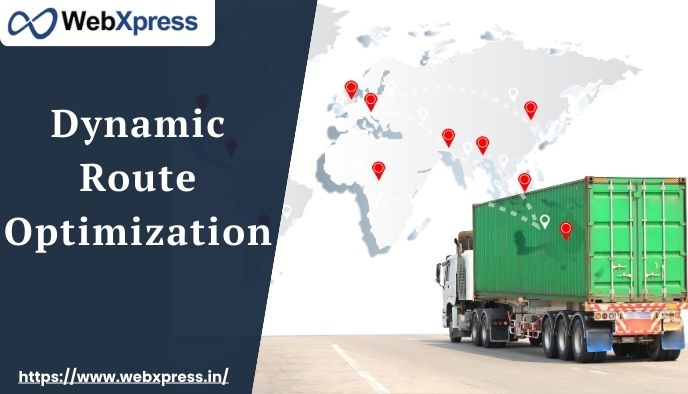
In today’s fast-moving delivery environment, customers expect faster, more accurate, and cost-effective shipments. To meet these expectations, companies are turning toward smarter routing methods that adjust in real time. Dynamic route optimization helps businesses create flexible delivery plans that change based on traffic, new orders, delays, driver availability, and last-minute route updates.
Unlike traditional static routing, dynamic routes keep shifting throughout the day, allowing logistics teams to stay prepared for unexpected situations. This approach is especially useful for last mile route optimization, where small improvements can save time, fuel, and operational effort.
Dynamic route optimization is the process of creating delivery routes that adjust in real time based on changing conditions. Instead of planning all routes at the start of the day, this method continuously updates them using live data such as traffic, order changes, roadblocks, weather, and delivery priorities.
It uses advanced algorithms to decide the best possible route for each vehicle at any moment. This helps reduce travel time, avoid delays, and improve last mile route optimization. Dynamic route planning is more flexible than traditional routing because it responds instantly to new situations, making it suitable for businesses that handle frequent order updates or same-day deliveries.
Dynamic route optimization depends on a mix of technology, data, and decision-making tools that work together to build flexible and accurate delivery plans. Here are the main components that make the system effective:
Dynamic routing starts with continuous data flow. The system collects live information such as traffic speed, road disruptions, weather changes, vehicle movement, and fresh delivery requests. This constant stream of updates helps the system react quickly and keeps routes practical throughout the day.
A strong algorithm engine sits at the center of dynamic route planning. It analyses multiple scenarios, compares route options, and evaluates constraints like vehicle capacity, delivery time windows, and distance. This intelligence allows the system to pick the most suitable path whenever a situation changes.
Automation ensures that route adjustments happen smoothly without waiting for manual intervention. When delays, cancellations, or new orders appear, the system recalculates and updates the plan instantly. Drivers receive these updates directly, helping them stay aligned with operational requirements.
Dynamic routing improves over time through feedback loops. After each delivery, the system records travel duration, route deviations, customer timing, and driver inputs. These insights help refine future route suggestions, making the entire setup more reliable and efficient.
Dynamic route optimization works by continuously analyzing real-time conditions and updating delivery routes to maintain efficiency. The process usually involves the following steps:
The system gathers live data such as order details, traffic updates, weather alerts, driver schedules, and vehicle status. This information forms the base for accurate route decisions.
Before the delivery day begins, the system creates a basic route using delivery addresses, time windows, and vehicle capacity. This initial plan works as a starting point.
As vehicles move, the dynamic router tracks their progress through GPS. It also monitors any changes, new orders, delays, cancellations, or unexpected road issues.
Whenever a change occurs, the system re-calculates the route. It automatically selects the next best option and sends updated instructions to the driver. This dynamic route planning ensures smooth last mile route optimization, even during peak hours.
Drivers receive route updates through a mobile app or onboard device. These updates guide them with turn-by-turn directions, new stops, or reordered deliveries.
Once deliveries are completed, the system records performance metrics like timings, fuel usage, and distance traveled. These insights help logistics teams improve future planning.
Dynamic route optimization can work in different ways depending on how often updates are needed and how quickly a business must react to changes. Here are the main types:
This type focuses on immediate adjustments. Routes change the moment new information arrives such as traffic slowdowns, priority order requests, or unexpected delays. It is ideal for businesses that handle rapid deliveries or operate in areas where conditions shift frequently.
Instead of constant updates, the system reviews routes at fixed intervals (for example, every 15 or 30 minutes). This strikes a balance between flexibility and operational stability, making it suitable for medium-scale delivery operations where too many updates may confuse drivers.
Here, advanced analytics and historical trends are used to forecast conditions before they occur. The system predicts rush-hour delays, high-demand periods, or weather-related issues and adjusts the routes early. This approach is helpful for organizations that want to stay prepared for expected challenges.
This method recalculates routes whenever a new delivery request enters the system. It is widely used by courier services, groceries, pharmacies, and hyperlocal delivery models where orders come in throughout the day and need instant scheduling.
Dynamic route optimization brings several practical advantages that help businesses manage deliveries more efficiently and respond faster to changing conditions. Here are the key benefits:
By adjusting routes in real time, drivers avoid traffic, unnecessary detours, and delays. This helps complete more deliveries in less time, especially during last mile route optimization.
Shorter routes and fewer idle hours mean vehicles burn less fuel. This leads to direct savings on transportation costs, maintenance, and overall fleet usage.
Dynamic routes ensure that time-sensitive deliveries are prioritized correctly. Customers receive more accurate ETAs, and businesses experience fewer failed or delayed deliveries.
Drivers get updated instructions whenever the situation changes. This reduces confusion, prevents backtracking, and helps them stay focused on the most efficient path.
Fast and timely deliveries build customer trust. With reliable routes and transparent delivery timelines, businesses can provide a smoother delivery experience.
Whether it's a sudden order, a vehicle breakdown, or a traffic jam, dynamic route planning quickly adjusts the schedule. This flexibility helps businesses stay prepared for real-world challenges.
Dynamic route optimization delivers strong value, but it also has certain challenges that businesses must keep in mind. One of the biggest limitations is its dependence on accurate and updated data. The system works only as well as the information it receives any errors in traffic details, delivery locations, or vehicle status can lead to inefficient routing.
Another challenge comes from the technological foundation required to support dynamic routing. Companies need proper GPS devices, reliable telematics, and smooth integration with existing delivery or order management systems. Without this infrastructure, the optimization results may fall short of expectations.
Connectivity can also become a concern, especially for fleets that operate in remote or low-signal areas. Since dynamic routing needs constant communication, unstable network coverage can interrupt updates and reduce the system’s effectiveness. Adapting to this system may require a mindset shift for drivers as well. Constant changes in routes can be stressful for those who prefer fixed schedules. Training and gradual transition become important to make the process smooth.
Dynamic route optimization is used across many industries that depend on timely, accurate, and cost-efficient deliveries. Its ability to adjust routes based on real-time conditions makes it useful in several operational areas.
Online shopping platforms rely heavily on dynamic route planning to handle same-day and next-day deliveries. The system helps drivers reach more customers in less time and improves last mile courier tracking, ensuring deliveries are accurate and timely, especially during peak seasons.
Courier companies manage hundreds of small parcels with different delivery deadlines. Dynamic routes help prioritize urgent items, handle new pickup requests, and avoid delays due to traffic.
Businesses that deliver fresh food, vegetables, medicines, and daily essentials benefit from dynamic routing because orders come in throughout the day. The system helps combine multiple stops efficiently, reduce delivery times, and improve hyperlocal delivery operations for faster and more reliable service.
Technicians who need to visit multiple client locations for maintenance, repair, or installation can use dynamic routing to reach each site in the shortest possible time. This reduces waiting time for customers and improves service quality.
Large fleets transporting goods between warehouses, hubs, and distribution centers use dynamic planning to handle route changes, loading delays, and real-time traffic conditions.
Ambulances, diagnostic sample pickups, and medical supply deliveries require fast routing decisions. Dynamic route optimization helps these services respond quickly and reach destinations safely.
Returns, replacements, and pickup requests form a major part of modern logistics. Dynamic routing helps plan return pickups efficiently, reducing empty miles and speeding up reverse logistics processes, ensuring items are collected and processed promptly for better operational efficiency.
Understanding the difference between static and dynamic routing helps businesses decide which routing style suits their delivery operations better. Both approaches serve unique purposes, but their working methods vary significantly.
Static Routing: Static routing relies on fixed routes prepared days or weeks in advance. These routes usually remain the same every day, with drivers following a predefined sequence of stops. The plan assumes conditions will stay stable, making it suitable for repetitive deliveries such as milk runs or fixed shop routes.
Dynamic Routing: Dynamic routing takes a more flexible approach. Instead of sticking to a fixed plan, the system uses real-time information to create or update routes. It considers traffic, order changes, weather, driver availability, road closures, and more. This makes the routing process fluid and adaptable throughout the day.
Static Routing: Once the plan is created, adjusting it is difficult. If a new order appears, a driver is delayed, or a road gets blocked, the team often has to make manual changes. This slows down operations and increases the risk of delivery failures.
Dynamic Routing: Dynamic routing updates automatically whenever new information arrives. If a delivery gets canceled or a new pickup request is added, the system recalculates and sends updated instructions to drivers instantly. This flexibility helps businesses stay prepared for unpredictable situations.
Static Routing: Static routing mostly depends on historical data. It assumes that traffic patterns, customer demands, and driving conditions remain consistent.
Dynamic Routing: Dynamic routing uses a mix of real-time data and predictive data. This includes vehicle location, current traffic speeds, weather alerts, new order inputs, and driver behavior. With richer data inputs, the routes stay accurate throughout the day.
Static Routing: As delivery volumes grow, static routes become harder to manage. The system cannot easily adjust to fluctuating demand, leading to more delays and inefficient miles.
Dynamic Routing: Dynamic routing handles growth more easily. Whether the fleet size increases, order volumes spike, or territories expand, the system recalculates routes to maintain efficiency. This makes it suitable for businesses that experience regular fluctuations.
Static Routing: Drivers following static routes enjoy routine and familiarity. They visit the same areas regularly, which can improve speed and convenience. However, this routine may lead to inefficiencies when real-world disruptions occur.
Dynamic Routing: Drivers receive updated routes as situations change. While this improves efficiency, it may require training so drivers feel comfortable with real-time updates and route shifts. Once they adapt, the workflow becomes more organized and predictable.
Static Routing: Because static routes are based on assumptions, they may lead to unnecessary travel, missed time windows, or underutilized vehicle capacity. Costs increase over time due to inefficiencies.
Dynamic Routing: Dynamic routes reduce fuel consumption, cut empty miles, and improve on-time performance. With fewer route errors and delays, businesses deliver more orders in less time improving both cost savings and customer satisfaction.
Dynamic route optimization software can be a game-changer, but it may not suit every business. It is most effective for companies that face frequent route changes, high delivery volumes, or tight time windows. If your operations involve last mile deliveries, same-day shipments, or urgent pickups, dynamic routing can save time, reduce costs, and improve service reliability.
However, businesses with small fleets, predictable delivery schedules, and minimal variation in orders may not see a significant return on investment. For these companies, static routing or simple route planning tools may be sufficient.
Before investing, consider your operational complexity, delivery volume, order variability, and the need for real-time updates. Understanding your requirements will help determine if a dynamic routing solution aligns with your business goals.
Choosing the right dynamic route optimization software is critical for achieving efficient deliveries. Here are the key factors businesses should evaluate:
Ensure the software can process live traffic, weather updates, and new orders to adjust routes instantly. Real-time updates are essential for effective last mile route optimization.
The platform should be intuitive for both dispatchers and drivers. A simple interface and clear instructions help reduce errors and improve adoption across the team.
Check if the software integrates with your current order management, GPS tracking, and fleet management systems. Smooth integration minimizes disruption and allows seamless data flow.
The software should grow with your business. It should handle increasing order volumes, additional vehicles, and expanding delivery areas without compromising performance.
Look for solutions that allow route customization based on delivery priorities, vehicle capacity, service time, and special requirements.
WebXpress offers a comprehensive dynamic route optimization solution designed to streamline your delivery operations. By leveraging real-time data, advanced algorithms, and intuitive interfaces, WebXpress ensures that your fleet follows the most efficient routes while responding to unexpected changes.
With WebXpress, businesses can reduce delivery times, lower fuel costs, and improve driver productivity. The system supports last mile route optimization, urgent deliveries, and reverse logistics, making it suitable for e-commerce, courier services, groceries, field services, and more. Additionally, WebXpress integrates seamlessly with your existing fleet management and order systems, providing a unified platform to track, manage, and optimize every delivery. Reliable reporting and analytics help managers make data-driven decisions, while driver-friendly mobile updates keep your team aligned and efficient.
A food delivery app adjusting a driver’s route in real time based on new orders, traffic, or customer availability is a common example of dynamic route optimization.
Dynamic routing is generally better for businesses with changing order volumes and tight delivery windows, while static routing works well for predictable, repetitive routes.
Yes, it helps reduce delivery time, cut fuel costs, manage last-minute changes, and improve on-time performance.
Yes, many software providers offer affordable, scalable routing tools that small businesses can use without heavy investment.
Dynamic route optimization has become a vital tool for businesses aiming to improve delivery efficiency, reduce costs, and provide better customer service. By using real-time data, advanced algorithms, and automated updates, companies can create flexible routes that adapt to traffic, new orders, and unexpected delays. From last mile deliveries to reverse logistics and field services, dynamic routing offers measurable benefits across industries.
With solutions like WebXpress, businesses can implement dynamic route planning effectively, streamline operations, and gain insights through reporting and analytics. While it requires proper infrastructure and training, the payoff in operational efficiency, reduced fuel consumption, and timely deliveries makes it a worthwhile investment for modern logistics operations.
Copyright 2026, WebXpress. All Right Reserved
Design & Developed By