January 08, 2026
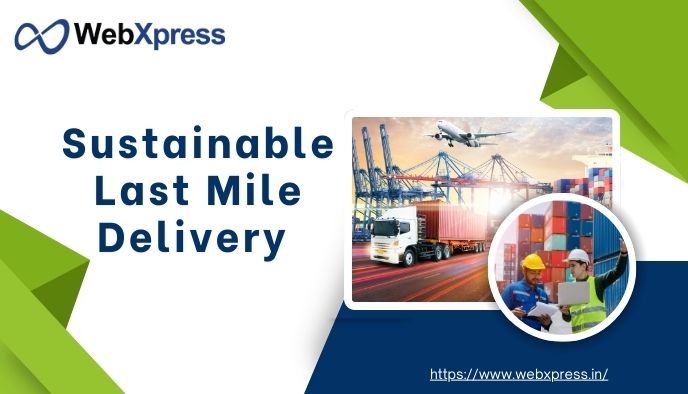
Last mile delivery is the final step where a product is delivered from a nearby warehouse to the customer’s home or store. Even though the distance is short, this step uses more fuel, causes traffic, and increases pollution. With more online orders every day, the impact of last mile delivery on the environment is growing fast.
Sustainable Last Mile Delivery means delivering orders in a cleaner and smarter way. It focuses on using less fuel, reducing vehicle emissions, and planning deliveries properly. A Sustainable Last Mile helps businesses deliver orders on time while also caring for the environment.
In 2026, last mile sustainability has become important for every business. Customers prefer brands that follow eco-friendly practices, and governments are also setting strict rules. This is why many companies are shifting to green last-mile logistics and using AI-based tools to manage deliveries better.
The last mile is one of the biggest sources of carbon emissions in logistics. Delivery vehicles often travel short distances but make many stops, which leads to higher fuel use. Traffic congestion, idle time, and repeated delivery attempts further increase pollution during last mile operations.
Most last mile deliveries depend on diesel or petrol vehicles. These vehicles release carbon dioxide and other harmful gases into the air. When delivery volumes increase, the number of vehicles on the road also rises, adding more pressure on the environment and urban infrastructure.
Without proper planning, last mile delivery becomes inefficient and wasteful. Poor route planning, low vehicle utilization, and unplanned returns add to the carbon burden. This is why businesses are now focusing on sustainable last mile delivery to reduce emissions and support long-term environmental goals.
Sustainable last mile delivery refers to delivering goods in a way that reduces harm to the environment while keeping deliveries reliable and cost-effective. It focuses on lowering carbon emissions, using fuel efficiently, and reducing waste during the final delivery stage.
This approach includes using eco-friendly vehicles, route planning, and smart delivery schedules. By cutting unnecessary trips and fuel usage, businesses can support last mile sustainability without affecting customer satisfaction.
A Sustainable Last Mile also considers long-term impact. It helps businesses meet environmental rules, control delivery costs, and build a responsible brand image through green last-mile logistics practices.
Sustainability in last mile delivery is important for reducing environmental impact while keeping delivery operations efficient and reliable. It helps businesses manage costs, meet customer expectations, and follow eco-friendly practices.
Last mile deliveries involve many short trips and frequent stops, which increase fuel usage. Sustainable last mile delivery helps reduce unnecessary travel through better planning and efficient routes. This lowers fuel costs and reduces carbon emissions at the same time.
Customers prefer businesses that care about the environment. By following last mile sustainability practices, companies show responsibility toward society. Using green last-mile logistics helps improve brand image and customer loyalty.
Sustainable delivery methods help businesses follow environmental rules and prepare for future regulations. Cleaner vehicles and controlled delivery operations support steady growth without increasing environmental harm.
Achieving sustainability in last mile delivery is not easy. Businesses face several operational and environmental challenges that increase fuel usage, emissions, and delivery costs.
Last mile deliveries involve frequent stops and slow-moving traffic, especially in cities. Vehicles spend more time on the road, leading to higher fuel usage and increased emissions. This makes it difficult to maintain last mile sustainability without proper planning.
With the growth of online shopping, businesses handle more orders with shorter delivery timelines. Faster delivery expectations often result in more vehicles and unplanned trips, which negatively impact sustainable last mile delivery efforts.
Electric and low-emission vehicles are not always easy to adopt due to high costs and charging limitations. For many businesses, this creates a challenge in shifting fully to green last-mile logistics.
Without real-time data, businesses struggle to track delivery performance and emissions. Poor visibility makes it harder to control routes, fuel usage, and delivery behavior, affecting overall sustainable last mile goals.
Making last-mile delivery sustainable is not easy. Businesses face several challenges that increase fuel use, emissions, and delivery costs.
Fixed delivery routes often fail in busy city conditions. Traffic jams, road closures, and delivery time limits can change quickly. By using live data such as traffic status, vehicle capacity, and delivery time windows, businesses can adjust routes on the go. This reduces extra distance, waiting time, and fuel usage, supporting sustainable last mile delivery.
Delivering from far-away warehouses increases fuel use and emissions. Moving fast-selling products to small local hubs or city-based fulfillment centers reduces travel distance. Local fulfillment helps complete more deliveries in shorter trips, which supports last mile sustainability and faster order fulfillment.
Electric vehicles work best on short-distance routes with many delivery stops. Businesses should deploy EVs on routes where charging is easily available and daily travel distance is predictable. When matched correctly, EVs help reduce emissions and support green last-mile logistics without affecting delivery speed.
Every failed delivery means extra trips and double fuel usage. Confirming delivery locations in advance, sending delivery alerts, and allowing customers to choose time slots can improve first-attempt success. Fewer reattempts directly reduce emissions and improve sustainable last mile performance.
Uneven delivery volume leads to underfilled vehicles or rushed trips. By forecasting demand using past order data and seasonal trends, businesses can schedule fleets more efficiently. Balanced delivery loads help maintain steady vehicle usage and lower fuel waste.
Monitoring emissions only at a fleet level is not enough. Using AI and IoT tools, businesses can track fuel usage, idling time, and emissions for each route. This data helps identify high-emission deliveries and supports better planning for last mile sustainability.
Following best practices helps businesses make last-mile delivery more eco-friendly, reduce fuel use, and improve efficiency.
Planning delivery routes carefully reduces distance, fuel use, and travel time. Businesses can group deliveries, avoid traffic, and schedule stops efficiently to support sustainable last mile delivery.
Using electric vans, bikes, or other low-emission vehicles helps lower pollution in cities. Combining these with optimized routes strengthens green last-mile logistics.
Keeping inventory closer to customers reduces travel distance and delivery time. Micro-fulfillment centers in urban areas support last mile sustainability while improving delivery speed.
Confirming addresses, sending delivery alerts, and allowing customers to choose time slots reduce repeated trips. Fewer reattempts save fuel and reduce emissions.
Monitoring delivery data, including fuel use and CO₂ output, helps identify high-emission routes and improve efficiency. This ensures a sustainable last mile without sacrificing service quality.
Technology plays a key role in improving last mile sustainability. Using the right tools helps businesses plan better, reduce emissions, and manage deliveries efficiently.
Artificial Intelligence (AI) can analyze traffic, delivery locations, and vehicle capacity in real-time. AI helps plan the fastest and most fuel-efficient routes, supporting sustainable last mile delivery.
Advanced systems track battery levels, charging stations, and route suitability for electric or hybrid vehicles. This ensures vehicles are used efficiently and supports green last-mile logistics.
Real-time delivery visibility and tracking allow businesses to monitor fuel usage, CO₂ emissions, and driver behavior. This data helps reduce waste and improve last mile sustainability.
Predicting delivery volumes using past order data and seasonal trends helps schedule fleets effectively. Proper scheduling reduces underfilled trips, fuel use, and emissions.
A delivery control tower acts as a central hub that monitors all last-mile operations. It provides visibility into vehicle location, delivery progress, and emissions in real-time. With this system, businesses can make faster decisions, adjust routes, and manage resources efficiently, supporting a sustainable last mile approach.
WebXpress’s control tower gives businesses real-time visibility into last mile delivery operations. It helps monitor vehicles, routes, and delivery status from a single platform, reducing delays and avoiding unnecessary fuel usage.
The system also supports optimized route planning, including multi-stop route planning, which helps drivers complete multiple deliveries in a single trip. By reducing empty runs and avoiding repeated routes, businesses can lower fuel usage and carbon emissions while maintaining on-time deliveries.
The control tower also provides performance reports and insights that help businesses identify inefficiencies and improve planning. With better control and data-driven decisions, companies can reduce costs, meet sustainability goals, and build a greener last mile delivery network.
Common types include standard delivery, same-day delivery, scheduled delivery, and locker or pick-up point delivery.
The main problem is high cost and increased carbon emissions due to traffic, multiple stops, and failed deliveries.
It is also called “final mile delivery” or “final leg delivery.”
It is expensive because it involves many stops, traffic delays, and smaller delivery volumes per vehicle.
Sustainable Last Mile Delivery is essential for businesses to reduce costs, lower emissions, and meet customer expectations. By using smart route planning, eco-friendly vehicles, local fulfillment centers, and technology, companies can make deliveries more efficient and environmentally friendly.
Tools like AI, predictive analytics, and a control tower help monitor deliveries in real-time, optimize resources, and ensure every delivery is done efficiently. Adopting these practices supports green last-mile logistics, improves brand reputation, and helps businesses operate responsibly while keeping customers satisfied.
Copyright 2026, WebXpress. All Right Reserved
Design & Developed By