January 23, 2026
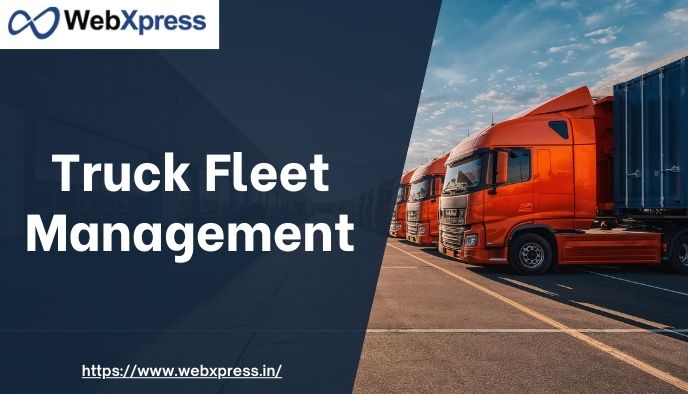
Truck fleet management plays a major role in today’s logistics operations. Companies that handle transportation need proper control over their trucks, drivers, routes, and daily activities. Without a structured process, managing a growing fleet becomes difficult and costly.
Truck fleet management software helps logistics businesses track vehicles, plan routes, monitor fuel usage, and manage driver performance from one place. Many companies also rely on truck fleet management services and systems to reduce delays and keep operations running smoothly.
As competition in logistics increases, trucking fleet management is no longer limited to tracking trucks. It now focuses on improving efficiency, reducing expenses, and meeting delivery timelines. This guide explains truck fleet management solutions, their benefits, and how businesses can manage fleets in a practical way.
Truck fleet management is the process of managing a group of trucks used for transportation. It includes handling vehicles, drivers, routes, fuel usage, maintenance schedules, and delivery performance. The goal is to keep fleet operations organized and under control.
A truck fleet management system uses digital tools to collect and manage data related to fleet activities. This system helps companies track truck locations, monitor driver behavior, and maintain service records. Many businesses use truck fleet management software to handle daily tasks more efficiently.
Truck fleet management services also support logistics companies by providing real-time insights and reports. With the help of fleet management solutions, businesses can manage trucking operations with better visibility and fewer manual efforts.
Truck fleet management is important for logistics companies that want smooth and reliable operations. Managing trucks without a proper system can lead to delays, higher costs, and poor vehicle utilization.
Fleet management helps businesses control fuel expenses, reduce vehicle breakdowns, and track driver activity. A truck fleet management system allows companies to monitor each truck’s performance and plan trips more effectively.
Truck fleet management software also supports better decision-making by providing accurate data on routes, deliveries, and maintenance. With the right trucking fleet management approach, companies can meet delivery timelines and improve overall service quality.
Truck fleet management includes several connected elements that work together to keep operations running smoothly. Each component focuses on a specific area such as vehicles, drivers, fuel, and compliance.
Vehicle tracking helps companies know where each truck is at any time. A truck fleet management system uses GPS to track movement, speed, and stoppages. This helps reduce route delays and improves delivery planning.
Driver management focuses on monitoring driving behavior, duty hours, and performance. Truck fleet management software helps identify issues like overspeeding and long idle time. This supports safer driving and better fuel control.
Route planning helps select the best path for deliveries. Fleet management solutions reduce unnecessary distance and avoid traffic-prone routes. This saves time and fuel on daily trips.
Fuel management tracks fuel consumption across the fleet. Truck fleet management services help identify fuel wastage and theft. Regular fuel reports support cost control.
Maintenance management ensures trucks stay in good condition. A truck fleet management system schedules servicing and alerts teams before breakdowns occur. This reduces downtime and repair costs.
Compliance management handles permits, insurance, and regulatory documents. Trucking fleet management systems store records digitally. This reduces paperwork issues and missed renewals.
Truck fleet management software supports better control over vehicles, drivers, and daily operations. It helps logistics teams reduce manual work and manage fleet activities in a planned way.
A truck fleet management system shows live truck locations, trip progress, and stoppage details. Fleet managers can quickly handle route delays, unplanned stops, and delivery issues. This level of visibility helps improve customer communication and operational control.
Truck fleet management solutions track fuel usage, maintenance costs, toll charges, and idle time. Detailed cost reports help identify areas where expenses are higher than expected. This supports better budgeting and long-term cost planning.
Fleet management software helps plan routes based on traffic, distance, and delivery priority. Shorter routes reduce fuel usage and driver fatigue. Better route planning also helps meet delivery timelines more consistently.
Trucking fleet management systems monitor driving behavior such as speeding, harsh braking, and long idle time. Performance reports help fleet managers guide drivers toward safer driving habits. This reduces accident risk and vehicle wear.
Maintenance scheduling features send alerts for servicing and inspections. Truck fleet management software helps fix issues before they turn into breakdowns. This keeps trucks on the road and avoids delivery delays.
Fleet managers who want stable and profitable operations need clear processes and the right support system. Strong management practices help control costs, improve safety, and keep trucks moving without disruption.
A dedicated fleet manager brings structure to daily operations. This role focuses on vehicles, drivers, compliance, and cost control. Even small fleets can start with a part-time manager and move to a full-time role as operations grow.
Fleet management providers support daily tasks such as tracking, reporting, and maintenance planning. Truck fleet management services help reduce workload and bring expert support. This approach works well for growing fleets with limited internal resources.
Skilled drivers play a major role in fleet performance. Regular training improves driving habits, safety awareness, and route discipline. Clear safety rules and driving guidelines help reduce downtime and vehicle damage.
Regular communication keeps drivers, managers, and support teams aligned. Scheduled meetings and digital updates help share route changes, safety updates, and performance feedback. Clear communication reduces mistakes and delays.
Modern fleet management relies on digital systems for tracking and planning. Truck fleet management software supports real-time visibility, performance analysis, and better decision-making. Technology helps fleets operate efficiently and stay competitive.
WebXpress provides practical tools that help logistics companies manage their truck fleets efficiently. The platform focuses on visibility, control, and smooth daily operations.
It allows real-time vehicle tracking, letting fleet managers monitor truck movement, delivery status, and route progress from a single dashboard. This reduces delays and improves response time.
The system also supports route planning and trip management, helping plan trips based on distance and delivery schedules. Better route planning saves fuel and ensures on-time deliveries.
Vehicle maintenance tracking ensures trucks are serviced on schedule. Alerts for upcoming maintenance and stored service records reduce downtime and prevent unexpected breakdowns.
Driver performance monitoring is included, providing insights into driving behavior and trip efficiency. These reports help improve safety and overall fleet discipline.
Software helps manage operations digitally, while services may include expert support, maintenance planning, and driver management.
By optimizing routes, tracking trucks in real time, and reducing downtime, deliveries reach faster and on schedule.
Yes. GPS tracking provides visibility, helps manage routes, and improves overall fleet safety.
Yes. It stores permits, insurance, and inspection records to ensure legal and safety compliance.
Well-trained drivers reduce accidents, save fuel, and maintain vehicle health, improving overall fleet efficiency.
They provide reports on vehicle usage, driver performance, fuel consumption, maintenance, and delivery efficiency.
Truck fleet management is essential for logistics companies that want efficiency, cost control, and timely deliveries. Managing trucks, drivers, routes, and maintenance in a structured way reduces errors and improves overall performance.
A truck fleet management system or service helps track vehicles, monitor driver performance, plan routes, and schedule maintenance efficiently. It also provides data that supports better decision-making and reduces operational costs.
Following best practices such as hiring a fleet manager, training drivers, maintaining open communication, and using smart technology ensures smooth fleet operations. Companies that adopt these practices experience improved safety, lower downtime, and higher customer satisfaction.
Copyright 2026, WebXpress. All Right Reserved
Design & Developed By