March 09, 2026
Transportation is one of the most important parts of logistics. Every day, companies move goods from warehouses to stores, distribution centers, and customers. Poor route planning can lead to longer delivery times, higher fuel costs, and delays.
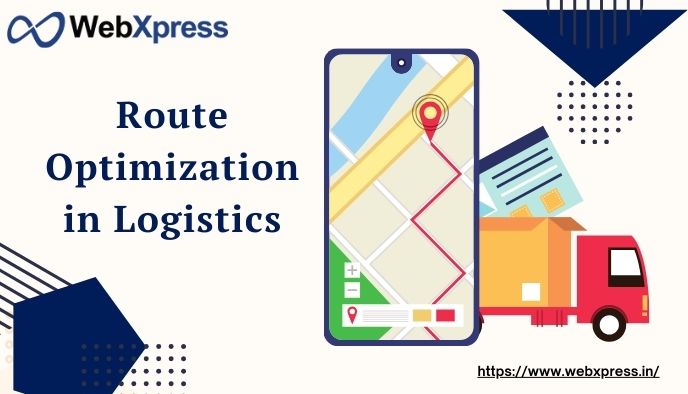
Route optimization helps companies choose the best path for deliveries. It considers factors like distance, traffic conditions, delivery schedules, and vehicle capacity. With proper planning, businesses can reduce travel time and complete deliveries more efficiently.
This blog explains what is route optimization in logistics, how route optimization software works and the benefits it brings to logistics operations.
Route optimization in logistics refers to the process of selecting the most efficient routes for vehicles to deliver goods. The main goal is to reduce travel time, lower fuel consumption, and complete deliveries within the planned schedule. Logistics companies use route optimization to plan delivery routes in a way that saves both time and cost.
Route planning usually considers many factors such as delivery locations, distance between stops, traffic conditions, vehicle capacity, and delivery time windows. With proper route optimization, companies can assign the right routes to drivers and manage multiple deliveries in a more organized way. Today, many businesses use digital route optimization solutions that use data and algorithms to calculate the best possible routes.
Route optimization software helps logistics companies plan delivery routes in a more organized and efficient way. The system collects different types of data and uses algorithms to calculate the best route for vehicles.
The first step is collecting important delivery information. This includes delivery addresses, number of stops, distance between locations, vehicle capacity, and delivery time slots. The software also uses map and GPS data to understand road networks and available routes.
After gathering the data, the system processes it through route planning algorithms. The software checks different route combinations and selects the one that reduces travel distance, delivery time, and fuel consumption. This helps companies use their vehicles in the most efficient way.
The software arranges delivery stops in the correct order. Instead of drivers deciding the order manually, the system automatically plans the sequence of stops. Proper stop sequencing helps reduce unnecessary travel and improves delivery speed.
Many modern route optimization solutions connect with GPS and live traffic data. When traffic congestion, road closures, or unexpected delays occur, the system can adjust the route and suggest an alternative path for the driver.
Advanced systems now use AI route optimization for smarter route planning. Artificial intelligence studies past delivery records, traffic patterns, and delivery performance. Based on this data, the system improves route suggestions over time and helps logistics companies manage complex delivery operations more effectively.
Route planning plays a major role in logistics operations. Delivery vehicles often need to cover many locations in a single trip. Poor route planning can lead to delays, higher fuel usage, and unnecessary travel. Route optimization helps companies avoid these problems by selecting the most efficient delivery routes.
Logistics companies must also manage customer expectations for faster and timely deliveries. Proper route planning allows drivers to reach delivery points on time and complete more deliveries in a single trip. Many businesses use route optimization solutions to plan routes that reduce travel distance and improve delivery schedules.
Modern logistics operations also deal with traffic congestion, changing road conditions, and large delivery networks.This allows companies to improve delivery efficiency, reduce transportation costs, and manage their fleet in a more organized way.
Proper route planning allows vehicles to travel shorter distances and complete deliveries faster. Below are important benefits of route optimization.
Fuel cost is one of the biggest expenses in logistics. Route optimization helps select shorter and faster routes, which reduces fuel consumption. When vehicles travel fewer kilometers, companies can save a significant amount of fuel cost.
Customers expect quick and timely deliveries. Optimized routes help drivers reach delivery points faster and complete more deliveries within the same working hours. This improves overall delivery performance.
Efficient route planning helps companies use their vehicles more effectively. Instead of sending extra vehicles for deliveries, businesses can manage more orders with the same fleet size.
Drivers spend less time deciding routes when optimized routes are already planned. Clear route instructions help drivers focus on deliveries rather than navigation.
Companies must consider these elements to create efficient delivery routes and avoid delays. Proper planning helps logistics providers use route optimization solutions effectively and improve overall delivery performance.
The number and location of delivery points directly affect route planning. When deliveries are spread across different areas, the route becomes more complex. A vehicle may need to travel through multiple zones, cities, or local areas to complete deliveries.
Proper route optimization arranges these delivery stops in the best possible order. This reduces unnecessary travel and helps drivers complete more deliveries in a single trip.
Traffic is one of the most common challenges in logistics transportation. Heavy traffic can increase travel time and cause delivery delays. Urban areas often experience congestion during peak hours, which affects delivery schedules.
Modern route optimization uses traffic data and GPS information to identify faster routes. Some systems can also adjust routes during the journey if traffic conditions change.
Many customers expect deliveries within a specific time period. Some deliveries must reach warehouses, retail stores, or customers during fixed working hours. Route planning must consider these delivery schedules while arranging the delivery sequence.
When time windows are included in route planning, the system calculates routes that allow drivers to reach each stop at the correct time.
Each delivery vehicle has a limited load capacity. Route planning must ensure that the vehicle can carry all assigned shipments without exceeding weight or space limits. Overloading can create safety issues and reduce operational efficiency. Route planning systems consider vehicle capacity before assigning deliveries.
Certain roads may have restrictions for heavy vehicles or commercial trucks. Some areas may also have narrow roads, toll roads, or restricted entry timings. These conditions must be considered during route planning. The system selects roads that are suitable for the assigned vehicle type. This helps drivers avoid unnecessary detours and ensures smoother transportation.
Technology plays an important role in improving route optimization. Many logistics companies now use advanced digital tools to plan delivery routes more accurately.
Artificial intelligence is also becoming a key part of route planning.Based on this information, the system can suggest routes that help drivers save time and reduce travel distance.
Real-time data is another important trend in route optimization. Modern systems can adjust routes if traffic congestion, road closures, or unexpected delays occur. This allows logistics companies to respond quickly to changing road conditions and maintain on-time deliveries.
Route optimization on different technologies that help companies plan delivery routes more efficiently. These technologies collect and process large amounts of data to generate the best routes for transportation operations.
Artificial intelligence plays a major role in modern route planning. AI route optimization systems analyze traffic data, delivery schedules, and past delivery records. Based on this information, the system suggests routes that reduce travel time and improve delivery efficiency.
GPS technology helps track the real-time location of vehicles. Route optimization systems use digital maps and GPS data to identify available roads and calculate the best route between delivery points. This also helps logistics managers monitor vehicle movement during deliveries.
Data analytics helps logistics companies study delivery patterns and operational data. Route optimization systems analyze this data to identify delays, improve route planning, and reduce unnecessary travel distance.
Many route planning systems operate on cloud-based platforms. These systems allow logistics teams to access route data, delivery schedules, and fleet information from any location. Cloud platforms also support large-scale logistics operations.
Telematics systems connect vehicles with digital monitoring tools. These systems collect data related to vehicle performance, location, and driver activity. This information helps route planning systems improve transportation efficiency.
Common challenges often occur due to data issues, operational complexity, and system integration problems. Proper planning and the right technology can help companies manage these difficulties.
Route optimization systems depend heavily on accurate data. Incorrect delivery addresses, missing location details, or outdated map data can lead to poor route planning. When the system receives wrong information, it may generate inefficient routes and cause delivery delays.
Many logistics companies already use different software systems such as warehouse management systems or transportation management systems. Connecting new route optimization tools with these existing systems can sometimes become difficult and require technical adjustments.
Traffic congestion, road construction, and unexpected road closures can affect delivery routes. Even when the route is planned properly, sudden road conditions can create delays. Route planning systems must update routes quickly to handle these situations.
Drivers who are used to manual route planning may take time to adapt to automated route planning systems. Proper training helps drivers understand how to follow optimized routes and use navigation tools correctly.
A transportation management system (TMS) plays an important role in improving route optimization in logistics. It helps logistics companies plan, manage, and monitor transportation activities through a single system. Route planning becomes more organized when companies use a TMS because the system can analyze transportation data and suggest efficient routes for deliveries.
A TMS collects information such as delivery locations, shipment details, vehicle availability, and delivery schedules. Based on this data, the system generates optimized delivery routes that help reduce travel distance and improve delivery timing. Many route optimization solutions are integrated within a TMS, which allows logistics managers to plan routes while managing overall transportation operations.
Artificial intelligence studies traffic patterns, delivery history, and operational data to improve route planning over time. This helps logistics companies reduce transportation costs, improve fleet utilization, and ensure timely deliveries.
Many logistics companies use route optimization in logistics to manage deliveries more efficiently. Proper route planning helps businesses reduce transportation costs and improve delivery speed.
Last-mile delivery is one of the most common use cases of route optimization. Delivery vehicles often need to cover many customer locations in a single trip. Route optimization helps arrange delivery stops in the best order so drivers can complete deliveries faster and reduce travel distance.
E-commerce companies handle a large number of daily orders. Efficient route planning helps delivery teams manage high order volumes and meet customer delivery timelines.
Retail businesses deliver products from warehouses to multiple stores. Route optimization helps plan transportation routes that reduce travel time and ensure that stores receive inventory on schedule.
Companies that provide field services such as maintenance, repairs, or installations often send technicians to multiple customer locations. Route optimization helps schedule visits in an efficient order and reduce travel time between service calls.
Logistics companies that operate large fleets use route optimization as an important part of fleet management to manage vehicle movement across different regions. Proper route planning helps companies monitor vehicle activity, assign deliveries efficiently, and use their vehicles more effectively. This also helps improve overall transportation efficiency and better control daily fleet operations.
WebXpress provides advanced transportation management solutions that help logistics companies improve route optimization. The platform helps businesses plan delivery routes, manage transportation operations, and monitor fleet performance through a single system. With better route planning, companies can reduce delivery delays and improve operational efficiency.
The system uses intelligent route planning tools to analyze delivery locations, shipment details, vehicle capacity, and delivery schedules. Based on this information, the platform generates optimized delivery routes that help reduce travel distance and fuel usage.
The system can analyze traffic conditions, past delivery data, and transportation patterns to suggest better routes. This helps logistics companies manage complex delivery networks, improve on-time deliveries, and use their fleet resources more effectively.
The main goal of route optimization in logistics is to find the most efficient delivery routes. It helps reduce travel distance, save fuel, and complete deliveries on time.
Yes, route optimization solutions help reduce transportation costs by minimizing travel distance, lowering fuel usage, and improving vehicle utilization.
Yes, small logistics companies can also benefit from route optimization. It helps them manage deliveries better and use their vehicles more efficiently.
Yes, optimized routes allow drivers to avoid unnecessary travel and reach delivery points faster. This improves overall delivery speed.
Many modern route optimization systems use real-time traffic data. This allows the system to adjust routes when traffic congestion or road delays occur.
Efficient route planning helps logistics companies manage deliveries in a more organized way. It reduces unnecessary travel, saves fuel, and helps drivers complete more deliveries within the same working hours. Better planning also improves delivery timing and overall transportation performance.
Modern technology has made route planning easier and more accurate. Digital systems can analyze delivery data, traffic conditions, and vehicle availability to create better delivery plans. With the right tools and planning methods, logistics companies can improve efficiency and handle growing delivery demands more effectively.
Copyright 2026, WebXpress. All Right Reserved
Design & Developed By