February 06, 2026
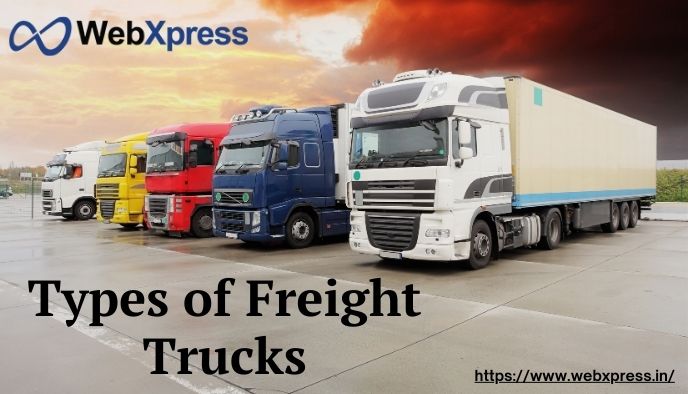
Freight transport plays a major role in how goods move from one place to another every day. Raw materials, retail products, and industrial supplies rely on road transport to reach their destination on time. This makes it important to understand the types of trucks for freight used in logistics.
There are many different types of freight trucks, and each type serves a specific purpose. Some trucks suit short-distance delivery, while others handle long routes and heavy cargo. A wrong truck choice can increase cost, cause delays, or affect product safety.
This guide explains freight trucks in clear and simple language. It helps logistics teams and business owners choose the right truck for daily transport needs.
A freight truck is a road vehicle used to carry goods from one location to another. Businesses use these trucks to move raw materials, finished products, and packaged items across cities or states. Freight trucks support daily transport needs in many industries such as retail, manufacturing, and logistics.
These trucks come in many sizes and load capacities. Some freight trucks carry light goods for local delivery, while others handle heavy cargo for long-distance routes. The choice of truck depends on cargo type, weight, and travel distance.
Freight trucks form the backbone of road transport. They help businesses meet delivery timelines and maintain smooth goods movement.
Freight trucks support daily goods movement across many industries. Different businesses use specific truck types based on cargo size, distance, and delivery needs.
Retail businesses depend on freight trucks to move products from central warehouses to stores. Regular truck delivery helps stores keep shelves full and avoid stock shortages. These trucks also support seasonal demand and promotional sales.
Manufacturers use freight trucks to receive raw materials such as metals, plastics, and components. Finished products also move to distributors and wholesalers through road transport. Timely truck supply helps maintain smooth production cycles.
Logistics companies use freight trucks to connect warehouses, sorting centers, and delivery hubs. Trucks support both short routes and long-distance transport. This process helps businesses manage inventory flow across regions.
Food and beverage companies rely on freight trucks to carry packaged food, drinks, and dairy items. Proper truck use helps protect goods from damage and temperature issues. This supports food safety during transit.
Construction sites require steady transport of cement, steel rods, bricks, and equipment. Freight trucks help move these materials from suppliers to project locations. Reliable transport supports timely project progress.
E-commerce companies use freight trucks to move bulk orders from fulfillment centers to local delivery hubs. These trucks support fast order movement before last-mile delivery. This system helps meet customer delivery timelines.
Different types of freight trucks support different cargo needs. Truck size, load capacity, road type, and travel distance decide which truck fits best. Below are the most common types of freight trucks used in logistics, with clear features and real uses.
Light duty trucks support small freight movement within cities and nearby areas. These trucks suit businesses that handle frequent and quick deliveries.
Key Features
Light duty trucks have compact size and limited load capacity. Narrow body design helps smooth movement through city roads and traffic zones. Lower fuel use makes these trucks cost-friendly for daily trips.
Common Uses
Retail stores use light duty trucks for store-to-store supply. Courier companies rely on them for parcel and document transport. Service-based businesses also use these trucks for tools and small equipment delivery.
Box trucks offer a closed cargo space that helps protect goods during transport. This truck type suits medium-volume freight that needs safety from weather and dust.
Key Features
A strong enclosed body supports cargo safety. A fixed cargo area helps organize loading and stacking. These trucks support both short and mid-distance routes.
Common Uses
Furniture, electronics, and household items often move through box trucks. E-commerce companies use them for hub-to-hub transport. Logistics providers also rely on box trucks for retail supply distribution.
Flatbed trucks support large and heavy cargo that does not fit inside closed trucks. Open design helps easy handling of oversized goods.
Key Features
The open platform supports flexible cargo size. A strong base structure handles heavy weight with ease. Side access helps fast loading and unloading at sites.
Common Uses
Construction companies move steel rods, cement blocks, and pipes through flatbed trucks. Industrial units use them for machinery and equipment transport. These trucks also support project-based deliveries.
Refrigerated trucks support goods that require controlled temperature. These trucks help protect products from spoilage during transport.
Key Features
The cooling system maintains fixed temperature levels. Insulated cargo walls reduce heat impact from outside conditions. These trucks support long-distance transport without product damage.
Common Uses
Food companies use these trucks for fruits, vegetables, dairy, and frozen items. Pharmaceutical firms rely on them for medicine transport. Cold chain logistics depends heavily on refrigerated trucks.
Tanker trucks support bulk liquid transport under strict safety rules. These trucks help maintain liquid quality during long routes.
Key Features
Sealed tank design prevents leakage and contamination. Strong material build supports pressure control. Safety valves help manage liquid movement during transit.
Common Uses
Fuel companies use tanker trucks for petrol and diesel supply. Dairy companies transport milk through these trucks. Chemical industries rely on them for safe liquid movement.
Trailer trucks support high-volume freight transport across states and regions. These trucks form the backbone of long-distance logistics.
Key Features
High load capacity supports bulk shipment. The detachable trailer system allows flexible cargo handling. Strong engine design suits highway travel.
Common Uses
Manufacturers use trailer trucks for raw material supply. Logistics firms depend on them for intercity and interstate delivery. Large retailers rely on these trucks for warehouse-to-warehouse transport.
Dump trucks support heavy material transport for construction and mining work. These trucks perform well on rough and uneven roads.
Key Features
The hydraulic lifting system supports quick unloading. Reinforced body structure handles loose and heavy materials. High ground clearance supports site operations.
Common Uses
Construction sites use dump trucks for sand, gravel, and debris transport. Mining operations rely on them for material movement. Road projects depend on dump trucks for daily material supply.
Selecting the right freight truck is important for smooth operations, cost efficiency. Proper fleet management ensures that businesses can balance truck availability, maintenance schedules, and delivery timelines.
The type of goods you transport determines the truck you need. Perishable items such as food and medicine require refrigerated trucks, while construction materials like sand, steel, and cement need flatbed or dump trucks. Selecting the correct truck ensures goods arrive safely and remain undamaged during transport.
Understand the weight and volume of your regular cargo. Light trucks suit small loads, while trailers handle bulk shipments. Overloading smaller trucks can increase maintenance cost and risk accidents.
Short city routes favor compact trucks, while long highways need trucks with strong engines and large fuel tanks. Consider road conditions and traffic patterns when deciding.
Low fuel use and simple maintenance help reduce operational cost. Trucks with reliable engines and easy service availability improve long-term efficiency.
Choose trucks that support future growth. Detachable trailers or multipurpose trucks allow businesses to handle varying cargo sizes without frequent replacement.
Freight trucks play a vital role in moving goods safely and on time. They provide a flexible and reliable transport solution for many industries.
Freight trucks provide dependable transport for goods of all sizes. Businesses can plan schedules and meet delivery timelines more effectively. Trucks help reduce delays compared to some other transport modes.
Using freight trucks can lower overall shipping cost for short and medium distances. Trucks require less infrastructure than rail or air transport, and fuel-efficient models help save money. Businesses can manage smaller loads without paying for extra services.
Trucks can reach locations where other transport options cannot. They support flexible routes and delivery schedules, which helps businesses adjust to customer needs. Even remote areas can receive timely shipments by truck.
Freight trucks can carry almost any kind of cargo. Refrigerated trucks handle perishable goods, tankers carry liquids, and flatbeds transport heavy or oversized items. This versatility makes trucks ideal for many industries.
Many trucks are designed for easy cargo handling. Flatbeds, box trucks, and dump trucks allow fast loading and unloading. This reduces time at warehouses or construction sites and increases overall efficiency.
Businesses can scale transport operations with additional trucks as demand grows. Efficient truck fleet management helps monitor vehicle performance, track routes, and plan maintenance, supporting business growth without increasing operational risks.
Consider the type of cargo, load weight, route distance, and delivery schedule. Choose a truck that fits your transport needs and future growth.
Trucks can carry almost anything. Refrigerated trucks handle perishable goods, tankers carry liquids, flatbeds transport heavy equipment, and box trucks move packaged items.
Yes, trailer trucks and large freight trucks are designed for long highways. They support bulk shipments and interstate delivery efficiently.
Freight trucks are essential for moving goods safely and on time. They help businesses of all sizes transport raw materials, finished products, and packages efficiently. Light duty trucks handle city deliveries, box trucks protect packaged goods, and flatbeds or dump trucks carry heavy or oversized items. Refrigerated trucks maintain the quality of perishable goods, while tankers and trailers support bulk liquids and long-distance shipments.
Businesses can match trucks to cargo type, load size, and route distance, while flexible or multipurpose trucks allow handling different shipments without extra investment. Freight trucks provide reliability, versatility, and cost savings, making them a key part of smooth supply chain operations. By selecting the right trucks, companies can meet delivery schedules and support growth effectively.
Copyright 2026, WebXpress. All Right Reserved
Design & Developed By